How Domain Registration in India Protects a Brand Online
A domain name is often the first thing customers see, and it can become the subject of a legal fight faster than most founders expect. Businesses planning domain registration india should treat the choice as a legal and brand decision rather than a technical formality. This guide from domain registration india advisers at S. S. Rana & Co. explains how registration works, how disputes arise and what to do when someone takes a name that belongs to your brand.
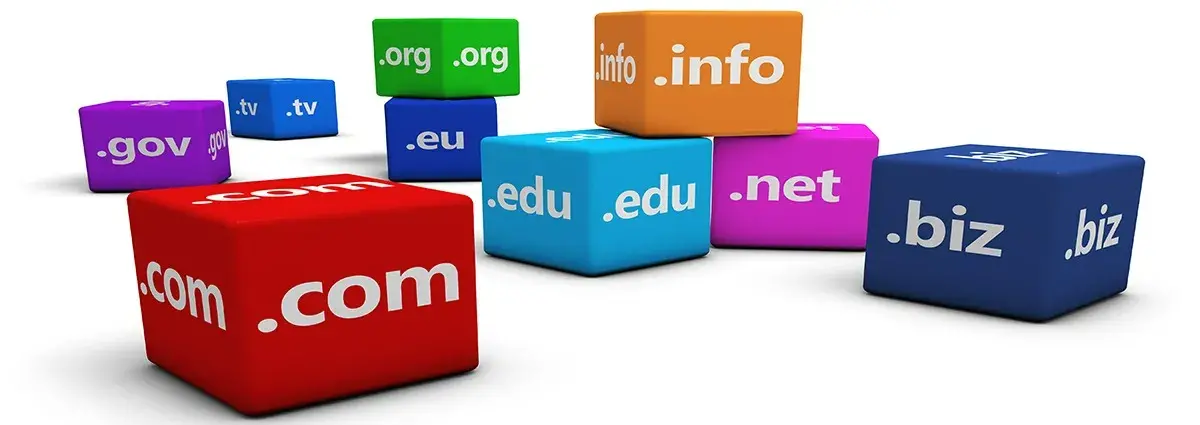
How domain names are managed in India
Domain names ending in .in and .co.in are administered by the National Internet Exchange of India, which accredits registrars to sell names to the public. Global extensions such as .com are managed by international registries under the rules set by ICANN. You register a name through an accredited registrar, which collects your details, charges an annual fee and activates the name once payment and verification are complete. Registrations are valid for fixed periods and must be renewed, so a lapse in renewal can hand the name to the next buyer.
Choosing a name that will hold up
Select a name that is easy to spell, distinctive and consistent with your brand. Avoid names that are identical or confusingly similar to a registered trademark owned by someone else, because the owner can challenge you later. Check social handles, app store names and trademark databases at the same time, so the brand is consistent across channels. The registry of the Indian trademark office and the NIXI website both provide useful background on what is already taken and what rules apply.
Register the right extensions
A single extension rarely covers every risk. Many businesses register the main .in and .com versions, and add common misspellings and extensions for the markets they serve. This defensive registration is inexpensive compared with the cost of buying a name from a squatter or fighting for it later. Keep all domains under the company's name, not an employee's or an agency's, so that ownership does not depend on one person's login.
Protect the brand behind the domain
A domain name is not a trademark by itself, but a registered trademark makes it much easier to recover a confusingly similar domain. Businesses that care about long-term protection should complete brand name registration in parallel with the domain, because the trademark certificate is the strongest piece of evidence in a dispute. Registration also helps with marketplace and social media takedowns.
What cybersquatting looks like
Cybersquatting is the registration of a name that is identical or similar to someone else's brand, usually in the hope of selling it at a high price or earning traffic from the brand's reputation. Typosquatting adds a misspelling, while some squatters register the name with another extension. Courts and dispute bodies treat bad faith as the central question, so evidence of the registrant's intent, such as offers to sell or use of the brand in the site content, is valuable.
Dispute routes available
For .in domains, disputes are resolved under the .IN Domain Name Dispute Resolution Policy, which is administered by the registry through arbitrators. For global domains, the Uniform Domain Name Dispute Resolution Policy handles complaints through approved providers such as WIPO. Alternatively, the brand owner can file a civil suit and seek an injunction. Each route has different costs, timelines and remedies, so the choice should be based on the strength of evidence and the outcome you need.
Filing a complaint under the .IN policy
A complainant must show three things: the domain name is identical or confusingly similar to a name, trademark or service mark in which the complainant has rights; the registrant has no legitimate interest in the name; and the name was registered or is being used in bad faith. A well-organised INDRP complaint annexes the trademark certificate, proof of use, screenshots of the site and any correspondence with the registrant. The arbitrator usually decides within a short period compared with a civil suit, and the remedy is transfer or cancellation of the domain.
Evidence to collect before you file
Take dated screenshots of the domain and any associated site. Preserve emails or messages in which the registrant offers to sell the name. Prepare proof of your brand's reputation, such as sales figures, advertising spend, media coverage and customer testimonials. Record the date on which you first used the brand and the date on which the registrant acquired the domain, since timing affects the bad faith analysis.
Practical steps for businesses
Write a short domain policy for your company. Keep a register of every domain, the registrar, the expiry date and the administrator. Turn on auto-renewal and registrar locks, and use role-based email addresses for the admin contact. When employees or agencies create new domains for campaigns, require that the company be the registrant. These simple habits prevent the sort of lapse that can disrupt websites and email in the middle of a campaign.
When a name is already taken
Do not assume that a taken domain is lost. If the holder is a genuine small business with no connection to yours, a polite approach to negotiate a purchase may succeed. If the name is parked and for sale at a reasonable price, buying it may be cheaper than a dispute. If the holder is a clear squatter, evidence and a formal complaint may be the right route. Always avoid threats that could be treated as harassment, and keep the conversation professional and in writing.
Costs and timing in practice
Registration fees are small compared with legal costs. A dispute procedure involves filing fees, arbitrator fees and attorney time, and a civil suit costs more but may provide broader relief. Plan the budget with the commercial value of the name in mind, including the traffic it receives and the brand damage if it stays with the other party.
Founders, marketing teams and counsel who need to secure a domain portfolio or recover a name can speak to S. S. Rana & Co. Visit the firm's Contact Us page, share the domain and your brand details, and get a practical plan with a clear timeline.


Comments
Post a Comment